What is ramie
The king of natural fibers
Native to China and cultivated for more than 4,000 years — one of the world's oldest, strongest, and most breathable plant-based textile fibers.
From more than 4,000 years ago
Dominated the fiber world as the “king of natural fibers”
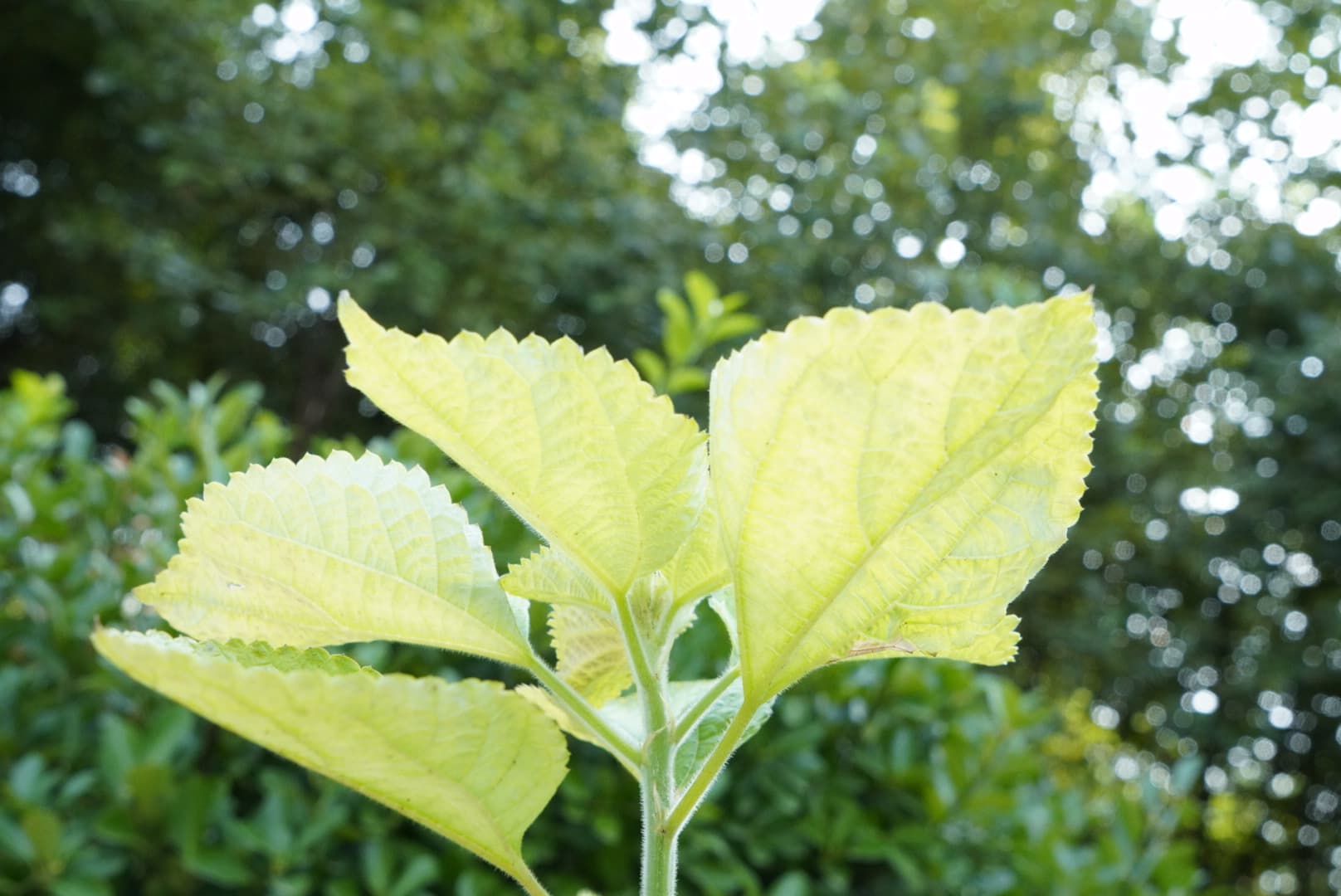
Native to China, ramie (Boehmeria nivea), a flowering plant of the nettle family, is one of the oldest crops and plant-based textile fibers worldwide. Known as “China grass,”ramie started to be cultivated in China more than 4,000 years ago. Statistics show that China's ramie yield accounts for over 90%of the world's output.
Grass cloth (also known as “Xiabu” in Chinese), a traditional handloom fabric made with yarns from vegetable fibers, was made of ramie. Once used as valuable tributes to foreign countries in ancient Chinese diplomatic culture, grass cloth has still been favored by Japanese and Korean consumers till now. Today, the handloom weaving techniques of grass cloth have been listed as a national intangible cultural heritage in China.
As described in ancient books
“As light as cicada wings, as thin as rice paper, as clear as water and mirror, as thin as silk.”— on grass cloth woven from ramie
Where it grows
Three regions, one highest-yielding home
The main geographical distribution of ramie production in China is between 19 to 39 degrees north latitude. China has three ramie production areas, generally divided into the Yangtze River area, the South China area, and the Yellow River Basin area.
Linjiang is located within the Yangtze River Basin, the highest-yielding ramie production area — the cultivation area and yield of which account for more than 90% of those in China.
Why it reigns
One of the strongest fibers in nature
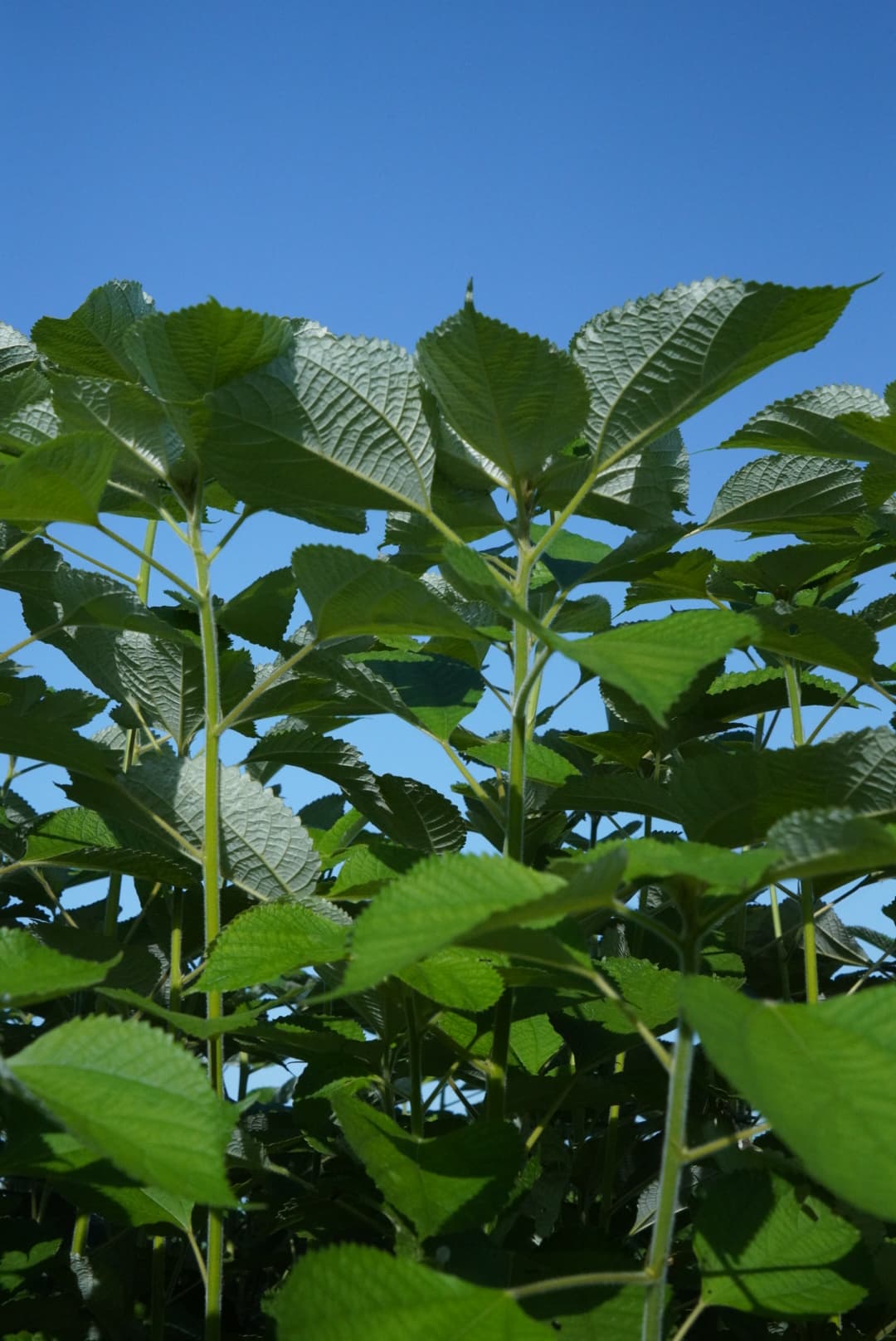
As one of the strongest natural fibers, ramie fiber is long, averaging 13 to 15 cm (5 to 6 inches) in length. It possesses excellent heat dissipation, and its breathability is better than many other natural fibers. Hence, ramie is recognized as the “king of natural fibers.” Ramie fiber is a biodegradable organic material, which gives it an edge over other competitive fibers in application.
Features of ramie
The premium natural fiber that breathes
Eco-friendly
As a natural fiber, ramie is environmentally friendly with a low-carbon footprint. It is degradable, which helps decrease environmental pollution during production and after disposal — the best choice for manufacturers and consumers to reduce their carbon footprint.
High-end
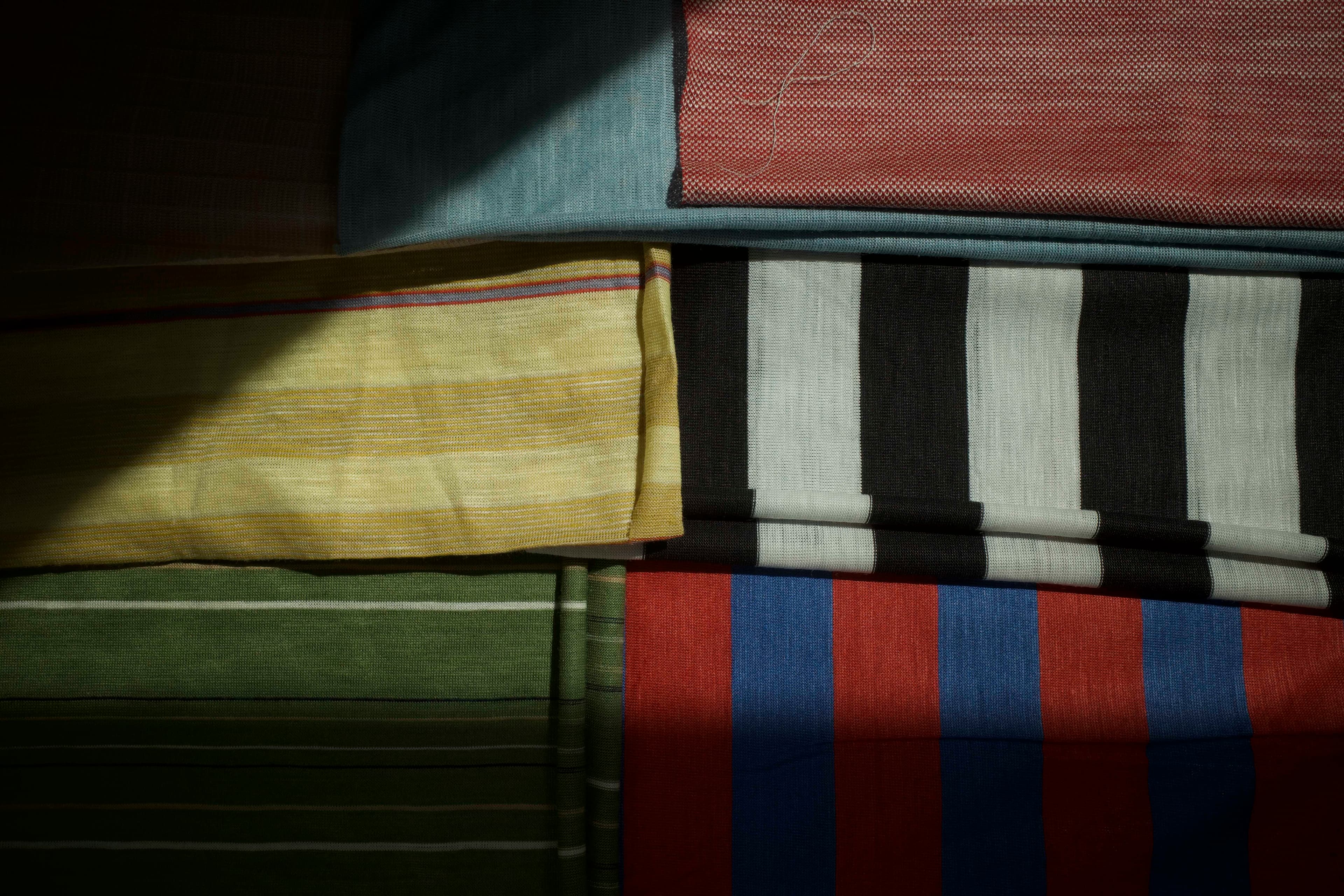
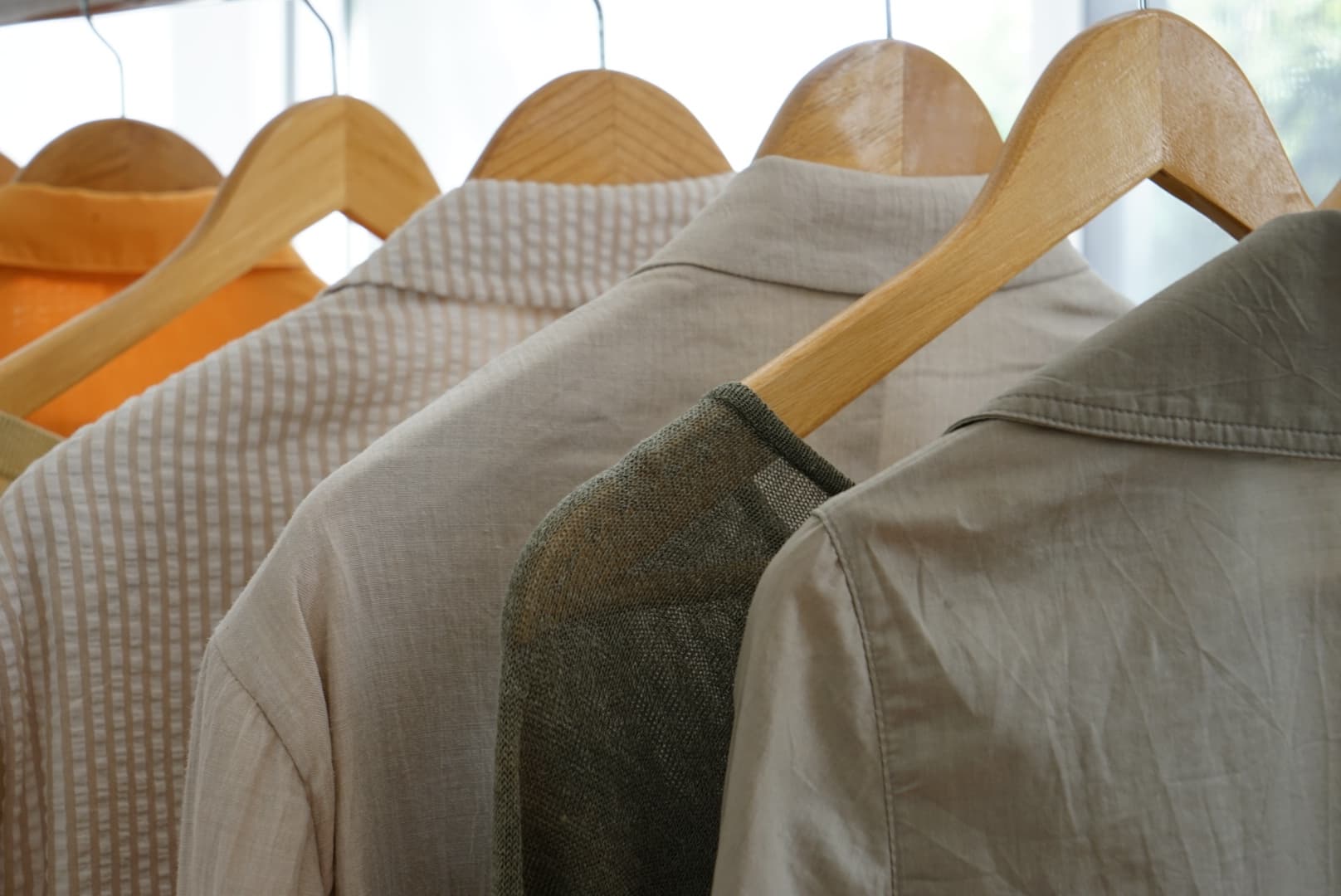
Ramie fiber has an understated elegant luster and a premium natural-fiber feel. Finely woven ramie clothes hang upright, with a semi-sheer and clean look. Ramie textiles have great potential to stand out in the market with a unique style.
Soft & airy
Ramie fiber is more breathable than any other natural fiber. It is soft to the skin, moisture-absorbent, and quick-drying — especially suitable for hot and humid weather, such as intimate apparel and summer wear, bringing a refreshing, lightweight feeling.
Durable & strong
Ramie is one of the strongest among natural fibers such as cotton, flax, and hemp. Ramie increases strength when wet, holds its shape, and resists fading, with superior durability.
Healthy & clean
Ramie fiber contains trace elements that prevent common bacteria. It has natural bacteriostatic, anti-mite, and deodorant functions — with higher anti-bacterial performance than cotton, bamboo, jute, and flax. It is also naturally anti-static, dust-resistant, and easy to clean, protecting skin health.
Applications of ramie
The versatile “soft gold that lasts a thousand years”
Ramie fiber is one of the strongest natural fibers. Resistant to shrinkage, insects, and mildew, it is wear-resistant with an anti-corrosion property — making it very durable, with a wide range of applications. After degumming, ramie shows a white, lustrous appearance, and it can be used individually or blended with cotton, silk, wool, and chemical fibers.
Textile & garment industries